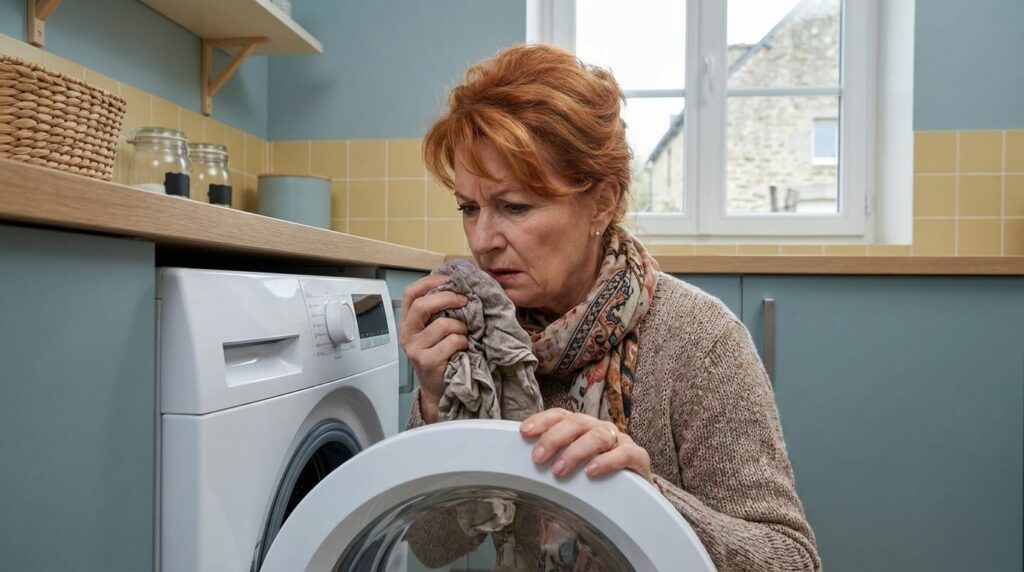
A washing machine beeps, the day slips away, and suddenly… the reminder: the laundry is stuck in the drum. This unfortunate scenario can happen to even the most organized among us, especially when cycles stack up amidst work, meals, and unexpected events. The issue is more than just wrinkling clothes; it’s that odor of stagnation, a mix of dampness and mildew that can cling to fibers and permeate the rest of the laundry basket. The good news is that there are quick, simple, and effective actions to immediately halt the “stagnation”, restart the right cycle, and save both the clothes and the machine. The key lies in a clear routine to implement as soon as you realize the oversight.
Act quickly upon discovery: stop the stagnation
The first minute is crucial because warm water and lack of air turn the drum into a small “humid chamber.” A quick assessment helps determine the best course of action: how long the laundry has been forgotten, the warmth upon opening, and the type of fabrics involved (thick towels, synthetic sportswear, delicate cotton). If the laundry is merely damp without a strong odor, the goal is to remove the stagnant water before it seeps into the fibers. In most cases, immediately restarting a rinse and spin cycle is enough to get back on track, as this cycle expels residual moisture and refreshes the water. Once finished, the laundry should be removed without delay: shaking it out, airing it, and spreading it out minimizes the adherence of odor-causing molecules, especially on thick items and seams.
Is the odor noticeable? the anti-mold action plan
When an odor is detectable upon opening the door, it’s best to take decisive action: an immediate re-wash prevents the smell from setting in. The temptation may be to overdo it with detergent, but too much can leave a residue that retains odors. The winning strategy relies on the right amount (based on water quality and load size) and an appropriate cycle. Different fabrics react uniquely: synthetic sportswear quickly traps odors, while towels and sheets retain moisture within their fibers, and heavier denim and cotton may require a longer cycle. If the care label allows, raising the temperature slightly can help release the compounds responsible for the odors. To maximize results, adding an extra rinse cycle can eliminate detergent residues and particles that contribute to the lingering “old damp” scent.
Drying: the true finish line (and the most overlooked step)
Even well-washed laundry can “re-turn” if drying is delayed: this step makes all the difference. The goal is immediate drying, ideally in a well-ventilated space. Spreading out the items with space in between, placing them in a ventilated room, or using a dryer without delay prevents re-stagnation. Sunny days can be beneficial: a quick dry in drier air, with an open window, reduces the persistence of odors. Conversely, certain pitfalls exacerbate the problem: closed baskets, humid bathrooms, laundry piled up, or overloaded drying racks where air cannot circulate. Before folding, a simple check can prevent unpleasant surprises: smell test on thick areas (underarms, waistbands, cuffs, towels). If there’s any doubt, a quick re-wash is better than risking a perpetually musty closet.
Clean the machine too: eliminate the source of odor
When odors emerge, the washing machine can become the “source” that re-infects subsequent loads. The first place to inspect is the door seal: its folds can trap residual water, lint, and deposits. A thorough wipe-down, getting into every crease, removes much of the odor. Next, check the detergent drawer: compartments and housing can accumulate residues that ferment. A vigorous rinse and gentle scrubbing often suffice to remove the greasy film, especially around the corners. If the odor persists or visible deposits remain, a maintenance cycle with no load is beneficial, as it cleans the drum and hoses. Also consider the filter if the machine has an accessible one: a clogged filter can retain debris and stagnant water, contributing to a musty smell.
Preventing recurrences: simple practices for future laundry
Prevention relies on a straightforward routine that takes less than a minute and avoids most forgetfulness. After each wash, air out the drum by leaving the door ajar, allowing moisture to escape, and a quick wipe of the seal prevents water from stagnating. To minimize “forgotten” cycles, it helps to schedule the end of the wash during active times at home: delayed start, phone alarms, or reminders on a smart speaker, what matters is being present for the end beep. Finally, establishing a winning routine makes the response automatic: restart a rinse and spin upon discovering an oversight, re-wash if necessary as soon as an odor appears, dry immediately, then clean the seal and drawer and let the machine breathe. Here’s an express memo to keep handy near the laundry area:
- Rinse and spin immediately upon forgetting to expel stagnant water
- Quick re-wash if any odor is detected
- Immediate drying on an airy rack or in the dryer
- Cleaning the seal and detergent drawer
- Airing the drum with the door left open
A forgotten load doesn’t have to be a disaster: the difference lies in a few simple actions taken in the right order. By first expelling the water with a rinse and spin, re-washing without overdoing it if needed, and drying promptly, the chances of a stagnant odor taking hold are greatly diminished. And by caring for the seal, drawer, and drum ventilation, the machine ceases to be a “reservoir” of odors. One useful question remains for the future: what small daily alert could become the automatic trigger to ensure the end of the cycle never again goes unnoticed?