The arrival of warmer days is invariably accompanied by the sound of lawnmowers humming in gardens everywhere. However, cultivating a lush and vibrant lawn is not merely a matter of brute force; it requires a precise cutting strategy. In 2026, the trend leans toward “thoughtful mowing”: instead of cutting your lawn down to a bare minimum, the goal is to nurture the grass’s growth to strengthen its roots. By understanding natural cycles and adhering to a few guidelines for neighborly conduct, you can transform this weekend chore into a therapeutic ritual for your outdoor space.
The gardener’s calendar: when to bring out (and put away) the mower?
Timing is the key to achieving a healthy lawn. The first mowing of the year typically occurs in March, once the soil has warmed and the grass begins its active growth phase (about 8 to 10 cm in height). Mowing too early on waterlogged soil can uproot the grass and compact the earth. Conversely, the last mow of the season usually happens at the end of October or beginning of November. It is essential to complete this final cut before the first frost, leaving the grass slightly taller than usual to maximize light absorption during winter and prevent rot.
The technique: what height is ideal for a healthy lawn?
The biggest mistake homeowners make is mowing too short in hopes of extending the time between cuts. For a robust lawn, the ideal mowing height is between 5 and 7 cm. During the scorching summer months, it is even advisable to raise this to 8 cm: taller grass provides shade for the soil, reducing water evaporation and preventing yellowing. The golden rule is to never remove more than one-third of the blade in a single mowing session. If your lawn has grown too tall during vacation, trim it down in two stages several days apart to avoid stressing the plant.
Value rather than waste: what to do with lawn clippings?
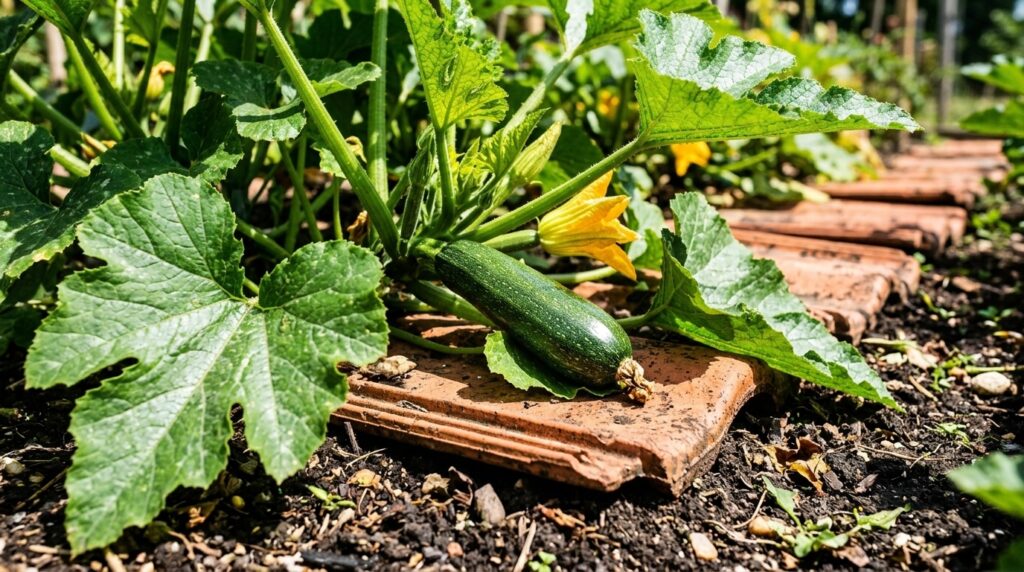
Lawn clippings can be a treasure trove for your garden, as long as you know how to utilize them. The simplest method is mulching: many modern mowers finely chop the grass so that it can remain on the ground, breaking down into natural, free fertilizer within days. If you prefer to collect clippings, use them as mulch around your hedges or in your vegetable garden; this helps retain moisture and suppress weed growth. Lastly, for composting, be sure to mix your clippings (rich in nitrogen) with dry materials like fallen leaves or shredded branches to prevent unpleasant odors from fermentation.
Civility and regulations: understanding mowing hours
Mowing can be a noisy activity, and it’s subject to specific time restrictions to maintain the peace in your neighborhood. While local regulations can vary, common permissible hours are typically from 8:30 AM to 12 PM and 2 PM to 7:30 PM on weekdays, 9 AM to 12 PM and 3 PM to 7 PM on Saturdays, and strictly from 10 AM to 12 PM on Sundays and holidays. Beyond legal requirements, switching to electric tools, which are significantly quieter, provides more flexibility and reduces tension with neighbors. Always check your community’s regulations or local ordinances before starting your mower.
The lawn: an ecosystem to respect
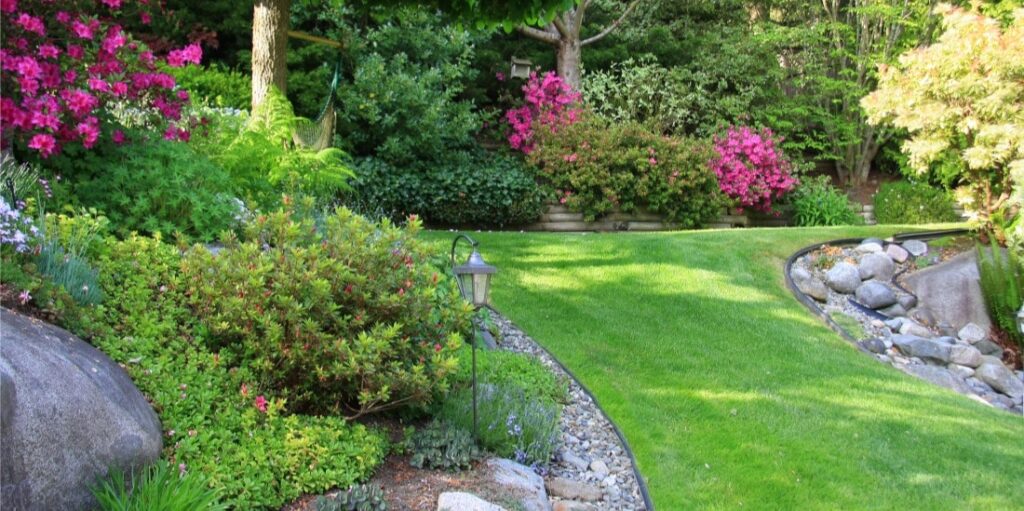
A beautiful lawn is a reflection of patient observation. By adjusting cutting height and frequency according to weather conditions and seasonal rhythms, you foster a harmonious gardening ecosystem. Well-maintained grass is denser, naturally limits moss growth, and paradoxically requires less water and fewer chemical treatments. Mowing intelligently grants you a resilient and pleasing green carpet while contributing to a sustainable gardening approach that respects local biodiversity.