
Do you enjoy our content?
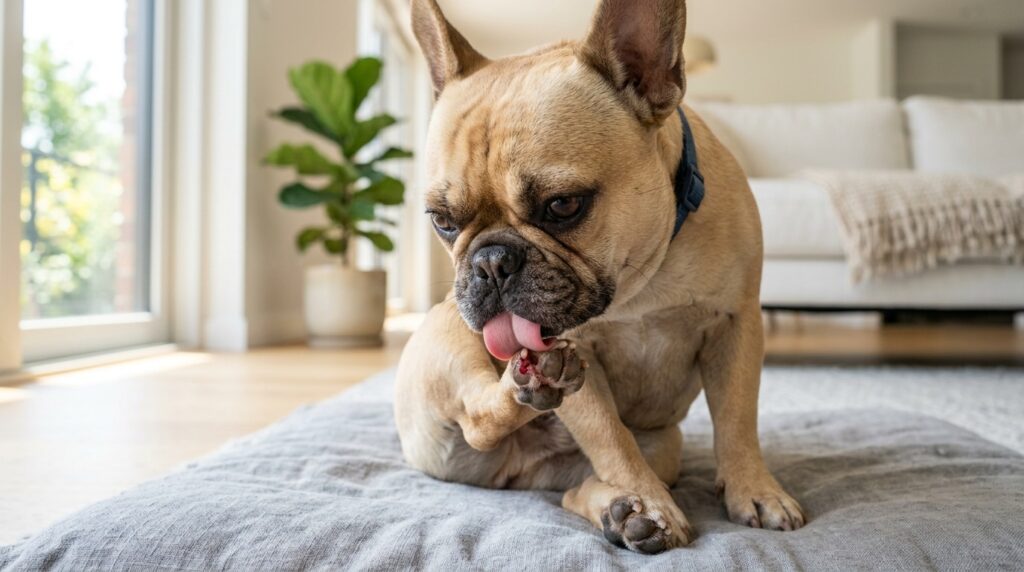
When a dog licks its wound, it may seem like a reassuring scene for a worried owner: the dog is taking care of itself, so everything must be fine. However, the reality is far more complex. This persistent belief, often echoed at parks or family gatherings, deserves a thoughtful reconsideration: dog saliva is not a natural bandage, and licking can actually complicate a wound that should otherwise heal without issue.
When Licking Gives the Illusion of Healing, It Can Actually Slow Recovery
A dog instinctively licks a wound because it provides some relief and helps to clean superficial debris, aligning with its grooming instincts. However, this action is far from a complete remedy. While saliva may dampen and soothe for a moment, it fails to properly disinfect, close the skin, or replace a thorough cleaning. Excessive licking creates a moist, irritated, and fragile area, which can impede healing. During summer walks, with dry grasses, swimming, and unnoticed scrapes, this reflex can quickly escalate a minor redness into a lingering wound.
Under a Dog’s Tongue, Bacteria Can Turn a Small Wound into a Serious Issue
A dog’s mouth naturally harbors bacteria, just like any animal’s mouth, and it’s not about whether the dog is “clean” or “dirty.” When a dog licks an open wound, it can introduce microbes, especially if the skin is already compromised. The situation becomes more concerning if the area turns red, hot, swollen, painful, or if pus develops, accompanied by limping, frantic scratching, or signs of lethargy. A deep, wide wound from a bite, one located near an eye, or one that doesn’t improve rapidly should be shown to a veterinarian. This perspective is less folklore than the old myth of magical saliva, but it’s undeniably more practical.
The True Care: Prevent Licking and Clean Properly
The best approach is to first prevent the dog from licking: use an Elizabethan collar, protective bodysuit, or appropriate bandaging depending on the area. While the collar may not win any beauty contests, it remains highly effective. Next, the wound should be gently cleaned with a pet-safe antiseptic, free from alcohol, irritating substances, and dubious homemade remedies. In practical terms, keep these simple steps in mind:
- Gently rinse if the wound is dirty, avoiding harsh scrubbing.
- Use a veterinary antiseptic suited for the animal, following the product’s instructions.
- Prevent licking with a collar, bodysuit, or recommended protection.
- Monitor for signs of redness, heat, swelling, discharge, or pain.
- Seek prompt veterinary attention if the wound is large, deep, poorly located, or if the dog’s condition changes.
Ultimately, licking is not a miracle cure: it often delays healing, can introduce bacteria, and promote infection. It’s wiser to protect, disinfect, and monitor, even if it means enduring the infamous collar at the dog’s expense. It may not be glamorous, but for allowing a wound to heal properly, it’s still the most sensible approach we’ve found.






