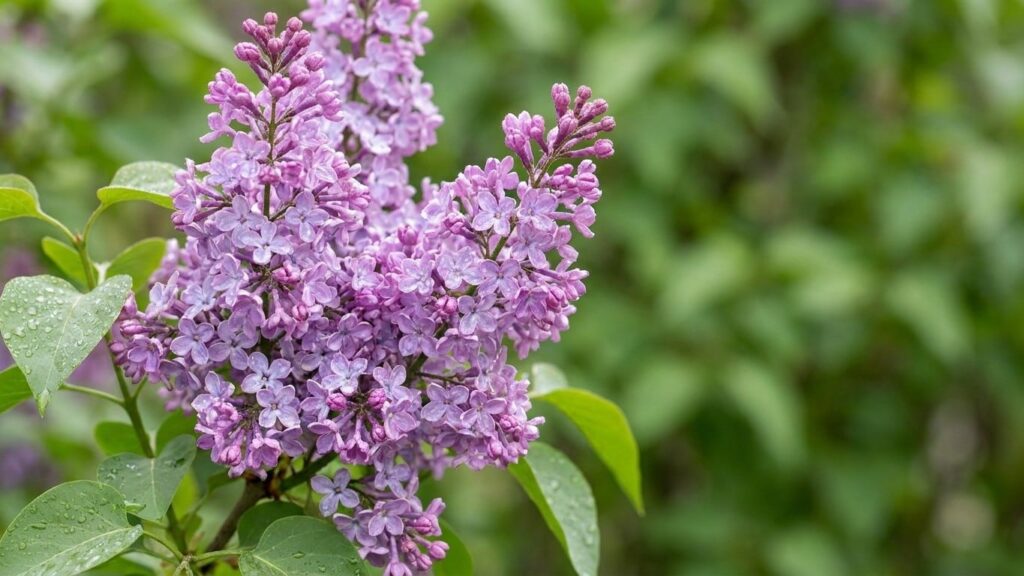
The lilac has faithfully bloomed for twenty years—then, nothing. Two consecutive springs have passed without a single purple cluster or the fragrance that neighbors could recognize from afar. The culprit, in most cases, comes down to one careless action: a pruning cut made in the fall or winter at precisely the wrong moment while the shrub was quietly preparing its flowers for the following spring.
Lilacs bloom on the wood of the previous year, not on new growth. This detail changes everything. The shrub forms its flower buds in the summer and fall, on shoots that appeared just after the last bloom. These buds remain dormant throughout the winter, then blossom in the following spring. If you prune too late in the year, you cut away these future flower buds.
When you take out the pruning shears in October to “tidy up the garden,” the lilac has already made all its preparations since summer. Its flowers for the next year are there, invisible, nestled in the buds at the tips of the branches. A single cut, and an entire season is lost. If you prune in the fall or winter, your lilac may not produce flowers at all. Not partially. Not fewer. None.
The insidious part of this error is that it doesn’t show immediately. The shrub comes back in spring with its leaves, lush and seemingly healthy. No visible signs of a problem. It’s only when April arrives, without a single bloom, that doubt sets in. Often, the gardener prunes again the following autumn, repeating the mistake a second time. A cut made at the wrong time can eliminate almost all of the following year’s blooms.
The precise window: six weeks, no more
The ideal window for pruning falls between late May and early July, just after blooming when the flower clusters start to dry and turn brown. You generally have four to six weeks to act without risk. It’s short but precise and easy to remember: as soon as the flowers wilt, it’s time to intervene. Not two weeks later. Not “when we have the time.” Immediately.
The act itself is simple. As soon as blooming is over, start by cutting the faded clusters; this process is known as deadheading. Identify the faded flower cluster, go down to the first set of well-formed leaves, and cut just above, at an angle, with your shears. This single action frees up the energy the shrub would have wasted making unnecessary seeds. By removing the faded flowers, you avoid the energy-intensive process of turning them into seeds. The plant can then devote all its energy to preparing for the next bloom.
For the rest of the maintenance pruning, restraint is key. Prioritize the removal of dead, broken, or diseased branches, then identify those that cross or rub against one another within the bush. We’re not restructuring the shrub; we’re maintaining it. The difference isn’t cosmetic: pruning too harshly after blooming can still remove branches that would have borne flowers next year.
Two to three years to regain normal blooming
If your lilac has been quiet for two seasons, patience is the only true answer. After a significant cut, you will need to wait two to three years before you see flowers again. It’s frustrating, but that’s the biological rhythm of this shrub. No trick or miracle fertilizer can shortcut this timeline.
To speed up the return to normalcy, water generously after pruning and add a layer of well-rotted compost at the base of the shrub. Lilacs are generally low-maintenance, but following a major intervention, this boost can make a real difference in recovery. However, be careful not to overcompensate: excessive nitrogen could encourage lush foliage growth at the expense of blooming. You may end up with beautiful, dense green leaves but still no flowers. This mistake is the second most common after poor pruning.
If your lilac is sending up suckers from the base—those vigorous young shoots sprouting from the ground around the base—remove them as soon as you see them, especially if the shrub is grafted. These shoots drain the plant’s energy without contributing to blooming. On a grafted specimen, the suckers come from the rootstock, not the original variety: allowing them to proliferate means nurturing an imposter at the expense of the true plant.
Reshaping an aging lilac without losing everything
A lilac that has been neglected for years presents a distinct profile: much old, gray, thick wood, few young shoots, and flowers perched high out of sight. The wisest approach is to cut a third of the oldest branches each year for three years. The shrub will continue to bloom, even partially, throughout the rejuvenation period. This method is recommended if you want to avoid a complete halt to blooming.
There is a radical alternative, but it comes at a high cost. Severely cutting the entire shrub down to 30 or 60 centimeters (about 12 to 24 inches) from the ground will provoke vigorous and spectacular regrowth, but pruning in the fall or winter means removing already formed buds. You won’t harm the shrub, but you will forfeit the next bloom. The only exception is for significant rejuvenation cuts on very old and bare lilacs, which can sometimes be